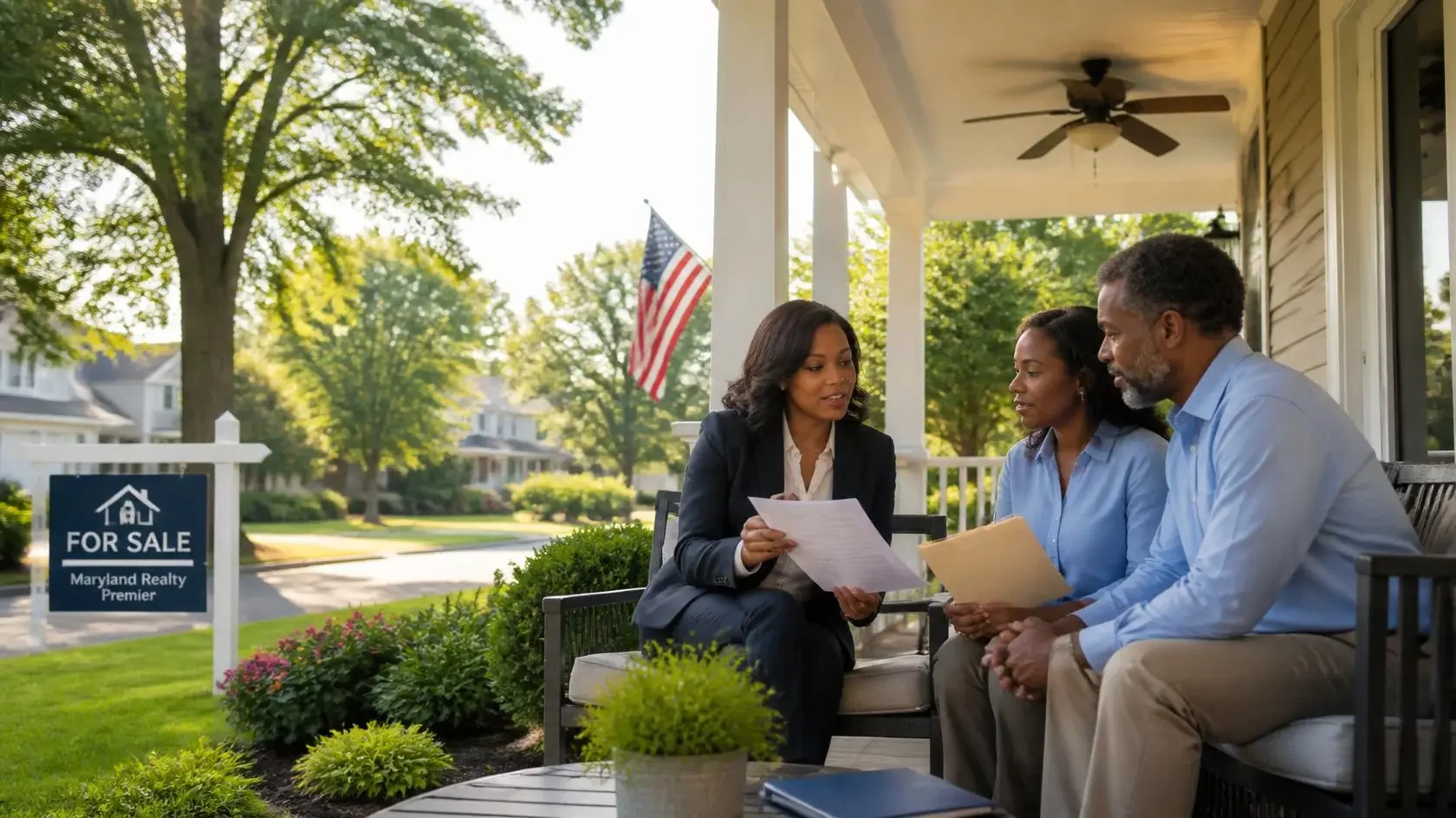
The death of a loved one is difficult no matter what. The family does not want more stress because of problems with their property. For a lot of families in Maryland, however, a residence is an asset that is included in the estate after a person dies. This can create many questions. Who can sell the house? What is probate? Is it possible to sell a house so they can sell the home prior to the completion of probate? What do you suppose will happen if the property requires repairs?
These are frequently asked questions. A lot of people get a bit lost because they fail to recognize where to begin. Fortunately, it is not difficult to sell a home in probate. If you know the steps to take, it’s much less daunting.
This blog explains Selling a House in Probate in Maryland in simple steps. You will become familiar with the mechanics of probate, who may sell during probate, the required documents, as well as your options for selling.
What Happens to a House During Probate in Maryland?
After someone dies, the legal process involved is called probate. It helps them prepare the management of their assets and ensure that things are done properly. A house may enter probate if the property was only owned by the person who passed away. During probate, several things need to be completed.
These may include:
• Finding and reviewing estate assets
• Paying unpaid bills or debts
• Handling legal paperwork
• Moving property ownership to the right people
The Maryland probate process can take different amounts of time. There are various types of estates but some of them are simple and others need more work. Typically one person, known as a personal representative, will be in charge of the estate. This individual is linked with the court and makes vital choices. Several people believe that a home cannot be sold if the probate process has not concluded. Of course, this is not always the case. How an estate is sold will be determined by the information about the estate and the personal representative’s authority.
Who Can Sell a Probate House in Maryland?
One of the frequently asked questions is:Who can sell a probate property? In most instances, it will be the personal representative’s responsibility to sell the house.
This person can be:
• An executor named in the will
• An administrator chosen by the court when there is no will
The personal representative handles important tasks related to the property. This can include working with buyers, agents, and closing companies. The process of an executor selling house in Maryland requires proper legal authority. A family member does not have the right to sell the house when inheriting it. In the event that a number of heirs are involved, communication should be transparent.
So, for instance, if a family in Maryland inherits a family house from their parents, one sibling may wish to retain the property while other siblings desire to dispose of the property. If you do not have the right plan, it can be slow and stressful. You can prevent many problems by discussing goals early.
Can You Sell a House During Probate in Maryland?
One of the most common questions that may come up in a Will contest is: Do you have to wait until probate is over to sell your house? That is a tricky question to answer depending on the circumstances. A property may be offered for sale in many instances throughout probate. But, the individual selling the home needs to be legally authorized.
Before continuing, it is important to check:
• Who owns the property
• Who manages the estate
• If there are unpaid debts
• If any extra approval is needed
If you search can you sell a house during probate in Maryland, you will find that each case can be different. Some properties can move forward quickly. Others might take longer due to family or legal disputes.
Step by Step Process of Selling a Probate House in Maryland
The probate home sale needs to be handled with patience and planning.
There are steps along the way that will make the process easier to follow.
Step 1: Check the Probate Status
The first step is to understand the current circumstance of the estate.
The personal representative should collect important information about:
• Probate paperwork
• Property ownership
• Estate expenses
• Existing debts
This can help to avoid difficulties in the future.
Step 2: Confirm Property Ownership
It is essential to know the property’s ownership before selling it.
A home may be:
• Owned only by the person who passed away
• Shared with another owner
• Connected to a trust
• Part of another estate arrangement
With this information, families can identify the administration they will want to use to sell the property.
Step 3: Prepare the Home for Sale
Each property is unique. A few houses are available for sale. Other houses require some repair work before they can be listed.
A traditional sale may require:
• Cleaning
• Repairs
• Updates
• Home showings
However, some families do not have the time or money for these tasks. A direct buyer may allow homeowners to sell the property in its current condition. This can save time and reduce extra work.
Step 4: Manage Estate Expenses
A probate property may create ongoing costs.
These can include:
• Mortgage payments
• Property taxes
• Utility bills
• Maintenance costs
Handling these expenses quickly can reduce financial pressure on the estate.
Step 5: Complete the Sale
After the buyer has been chosen, the closing process begins.
This usually involves:
• Reviewing documents
• Confirming ownership
• Signing paperwork
• Completing the property transfer
Keeping documents organized can help the process move smoothly.
Traditional Sale vs Cash Home Sale
Families have different needs when selling probate property.
Some prefer a normal market sale. Others want a faster and simpler option.
| Traditional Home Sale | Cash Home Sale |
| Repairs may be needed | Repairs are usually not required |
| Requires buyer visits | Fewer steps are often involved |
| Can take more time | May provide a faster closing |
| Uses the traditional market process | Offers a direct selling option |
The best option will be dependent on the condition, the family’s goals and the timeline.
How Long Does Probate Take Before Selling a House in Maryland?
Time is one of the greatest concerns of any family. They want to see how long it will take them to sell the property. The answer is different for every estate. In some cases, it is just a matter of speed and simplicity. Others take longer due to legal issues, unpaid bills or family matters.
The Maryland probate house sale timeline can depend on:
• The size of the estate
• The number of heirs
• Court processing time
• Property condition
• Missing paperwork
• Estate debts
Writing early and getting organized will help prevent delays.
Should You Sell a Probate House Through a Realtor or Cash Buyer?
Once a family has obtained approval to sell, they must decide on the method of sale. There are two common choices. They can list the property with a real estate agent. They can also sell directly to a cash buyer. A traditional sale may be a good choice when:
• The home is in good condition
• There is enough time to wait for buyers
• The family wants to market the property publicly
A cash sale may be helpful when:
• The home needs many repairs
• The heirs want a simple process
• The property creates monthly expenses
• Family members live far away
Many families look for probate property buyers Maryland because they want an easier way to handle the sale.
Benefits of Selling a Probate Property for Cash in Maryland
Some probate homes need a lot of work before they can be sold. This can create extra stress for families. A cash sale can be a useful option for people who want a simpler process.
Some benefits may include:
• Selling the home without major repairs
• Saving time on preparation work
• Reducing property maintenance
• Avoiding long waiting periods
• Making the estate process easier
Many people search for ways to sell probate property for cash Maryland because they want to avoid spending money fixing an inherited home. For example, a family in Maryland has just inherited a home from an older member of their family who has died. The family was in scattered residences up and down the state, and the house needed repairs. Falling around did not appeal to them because they did not want to deal with the place for months. Instead of making expensive updates, they explored a simpler selling option. This helped them handle the home while focusing on settling the estate.
Common Challenges When Selling a Probate House in Maryland
Selling a probate property is not only about paperwork. Families can face many challenges during the process.
Family Disagreements
Different heirs may have different plans. One person may want to keep the home. Another person may want to sell it. Talking openly can help families avoid long delays.
Property Problems
Inherited homes may have issues such as:
• Old repairs
• Broken systems
• Personal belongings
• Outdated designs
For some families, time and finances are not available to address these issues.
Emotional Stress
There are special memories that go along with a home. The sale of a family home can be a challenging process to manage. All options should be considered and time should be taken to enable families to make their best choice.
Documents Needed to Sell a Probate Property in Maryland
Selling is easier if there are necessary documents.
Common documents may include:
• Death certificate
• Will documents
• Probate records
• Property deed
• Mortgage details
• Tax information
• Estate paperwork
Depending on the estate, the specific documents needed may vary. This determines the organization of paperwork in the early part of the sales process and helps foresee delays.
Taxes and Costs When Selling a Probate Home in Maryland
Many heirs worry about unexpected costs after receiving an inherited property.
Selling a probate home may involve expenses such as:
• Property taxes
• Mortgage payments
• Utility bills
• Closing costs
• Property maintenance
Every estate is different. There can also be varying tax considerations depending on the circumstances. Talking to qualified experts for your situation will always be advantageous.
Selling a Probate House When Heirs Live Out of State
There are lots of families in Maryland who reside in different states. Having a long-distance property owner is not easy when a home is inherited.
Heirs may need to handle:
• Property visits
• Repairs
• Cleaning
• Paperwork
• Buyer communication
This can be stressful if family members are unable to visit the property frequently. Having a neighbor who helps sell can make this a simpler matter. It can reduce travel needs and help families complete the sale with fewer problems.
Key Points
When selling the property in probate, keep these things in mind:
• Confirm who has the legal right to sell the home
• Understand the current probate status
• Collect important documents early
• Consider the condition of the property
• Discuss decisions with all heirs
• Compare different selling options
At first, the probate process can appear complicated. However, by taking suitable measures, families can proceed with the sale with more confidence.
Conclusion
The sale of a probate house in Maryland can be a daunting and tough process to deal with, particularly when you are coping with the loss of a loved one. But if you know the process, it could be easier. Before taking action, the family needs to find out who may be available to sell the property, gather all the necessary paperwork and select the selling method that best applies to their needs. Some people choose a traditional sale. Some would rather go for a simpler option that does not require repairs and does not have long waiting periods. Depending on the needs of the estate, the right option is picked. If you need help with selling a house in probate in Maryland, Next Step Equity Group can help you understand your options and guide you through the process.
Next Step Equity Group is here to make selling hard-to-sell and inherited homes, including probate homes, easy for Maryland homeowners and families. Selling your family home can be stressful. We know that. Our aim is to help you grasp and simplify the process.
If you are interested in learning more about your options, you should check out Next Step Equity Group today.
FAQs
Q: Can you sell a house during probate in Maryland?
Yes, a probate home may be sold during the process in some situations. The personal representative must have the correct authority before completing the sale.
Q: How long does probate take in Maryland?
The timeline depends on the estate. Simple cases may finish faster, while complicated cases may take longer because of paperwork, debts, or disagreements.
Q: Who can sell a probate house in Maryland?
Usually, the personal representative or executor has the legal authority to manage and sell the property.
Q: Do you need court approval to sell a probate property in Maryland?
It depends on the estate situation. Some properties may need additional approval before the sale can move forward.
Q: Can I sell an inherited house in Maryland without repairs?
Yes. Some buyers purchase homes in their current condition, which means heirs may not need to complete expensive repairs.
Q: What documents are needed to sell a probate house in Maryland?
Common documents include probate records, property documents, estate paperwork, and ownership information.
Q: Is selling a probate house for cash a good option?
A cash sale can be helpful for families who want a faster process, fewer repairs, or an easier way to handle an inherited property.