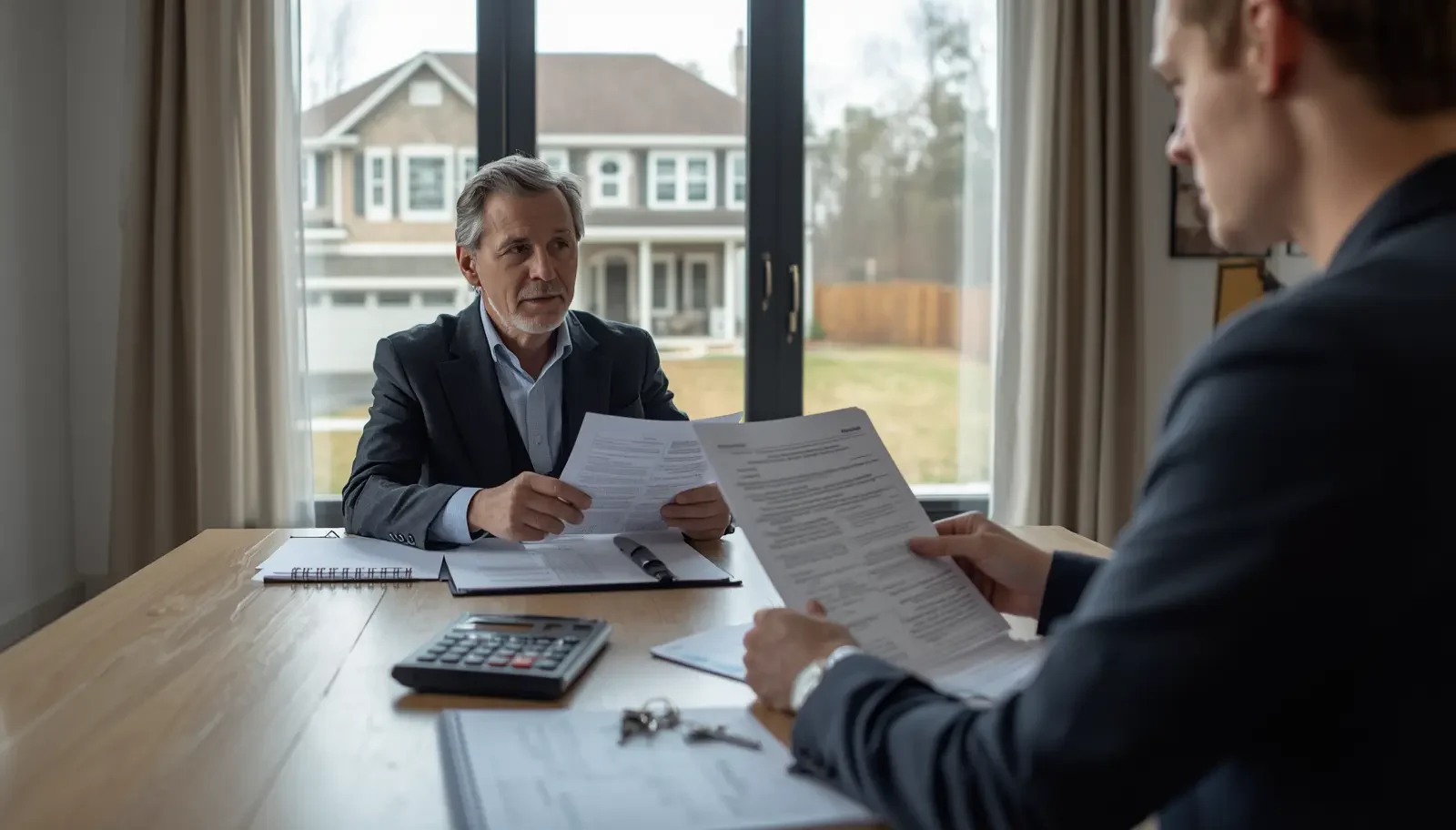
Consider a home sale to be an exciting event. It can also include some surprises. Many homeowners have been shocked by property taxes. Many individuals look at the sale price. They think about moving costs. They consider a new place to live. However, they forgot about the tax on the abode. That can be a costly mistake. A tax bill can affect how much money you keep after the sale. Unpaid taxes can slow down closing. They can even lead to issues with the title in certain instances. The good news is that Maryland property taxes are a lot easier to understand than most individuals believe.
In this blog, you will learn what property taxes are, how they will affect your sale and some tips for avoiding common sale pitfalls.
What Are Property Taxes in Maryland?
Property taxes are taxes paid on property annually. Local governments are responsible for collecting these taxes to fund schools, roads, parks and other local public needs in addition to emergency services. There is a formula used to calculate the amount of your taxes based on the value of your property and your tax rate. That is why you may find different property taxes in Maryland counties.
How Property Taxes Affect Home Sellers
When you decide to sell, taxes become part of the closing process. Many sellers are surprised to learn that taxes can affect their final profit. A higher tax balance means less money in your pocket after closing. This is one reason why understanding Maryland home selling costs is so important. If you’re looking to sell your house fast in Maryland, knowing these costs ahead of time can help you avoid surprises at closing. Buyers also review tax records. They want to know how much they may pay after they purchase the property.
Property Taxes and Your Profit
Every seller wants to keep as much money as possible. Several costs come out of the sale price before you receive your funds.
These costs may include:
- Mortgage payoff
- Closing fees
- Transfer charges
- Property tax adjustments
Knowing your tax situation before listing can help you avoid surprises.
Understanding Property Tax Proration
One of the most important parts of selling a home is property tax proration. Proration means the tax bill is divided between the buyer and seller based on the date of closing. If you owned the home for part of the year, you paid taxes for that period. The buyer pays taxes for the time after they take ownership.
Example of Property Tax Proration
| Item | Amount |
| Annual Property Tax | $4,800 |
| Monthly Property Tax | $400 |
| Seller Owned Home for 6 Months | $2,400 |
| Buyer Responsibility for Remaining Months | $2,400 |
This simple adjustment helps make the sale fair for both parties.
What Happens if You Have Unpaid Taxes?
A frequent concern of many homeowners is that they can not sell their home if they still owe property taxes. The truth is that you can often complete the sale. However, unpaid taxes must usually be paid before ownership transfers. This is especially true if there is a tax lien on house Maryland records. Tax liens can create delays. They can also reduce the amount of money you receive at closing.
Can Back Taxes Delay a Home Sale?
Yes, they can. Title companies check public records before closing. If they find unpaid taxes, they may require those taxes to be paid first. This is why homeowners dealing with unpaid property taxes Maryland issues should act early. Taking care of the problem before listing often makes the process smoother.
A Real Life Example
A homeowner who was unable to pay property taxes because they lost their job fell behind on their payments. The unpaid balance kept increasing because of fees and penalties. The homeowner wanted to sell but worried that the tax debt would stop the sale. After speaking with a local buyer, they learned the taxes could be paid through the closing process. The home sold successfully. The seller did not have to deal with additional penalties and did not experience much stress. Something like this often occurs, yet few people understand it.
Why Buyers Pay Attention to Tax Records
Buyers want to understand future expenses. A home with high taxes may cost more each month. That can affect affordability. For this reason, tax history often plays a role when buyers compare homes. This is especially true in areas with higher Maryland property tax rates.
How to Estimate Taxes Before Listing
Preparation helps every seller.
Before putting your home on the market:
- Review your latest tax bill
- Check for unpaid balances
- Confirm tax records are accurate
- Ask questions about closing adjustments
These steps can help you better understand property taxes at closing.
Selling a House With Tax Problems
Sometimes homeowners face financial pressure. Taxes may be one reason they want to sell. In these situations, selling a house with unpaid property taxes in Maryland may be the best solution.. A sale can help pay outstanding balances and prevent larger problems in the future.
Our complete guide to selling a house for cash in Maryland explains how a cash sale can help simplify the process
Traditional Sale Versus Cash Sale
Not every homeowner wants to wait months for a buyer. Some people prefer a faster solution.
Here is a simple comparison.
| Feature | Traditional Sale | Cash Sale |
| Repairs Needed | Often Yes | Usually No |
| Time to Close | Weeks or Months | Often Faster |
| Showings | Many | Few or None |
| Help With Tax Issues | Limited | Often Available |
This is why many people seeking a way to sell houses fast Maryland rely on cash buyers.
Key Points
- Property taxes affect your final profit.
- Tax balances are reviewed during closing.
- Buyers often check tax history.
- Tax liens can create delays.
- Proration is a fair tax distribution method.
- Do not shortchange yourself by being caught by surprise.
- Selling may help resolve tax problems.
Conclusion
It is essential to grasp the property tax issues when selling a house. Taxes can influence closing costs, timelines and post-sale proceeds. The good news is that many tax issues can be resolved through proper planning. Understanding what you can do brings added clarity to any transaction, especially in a back tax sale. By knowing what to expect when selling a house in Maryland, you can avoid unexpected hassles.
Whether you are dealing with tax troubles, inheriting unwanted property, at risk of foreclosure or looking to sell quickly and easily, Next Step Equity Group can help. If you’ve inherited a home, read our quick guide to selling inherited property in Maryland to understand your options. Their staff has a proven history of assisting Maryland homeowners throughout the state and provides homeowners with competitive cash offers without the hassle of repairs or long waiting periods.
Contact Next Step Equity Group today to learn your options and receive a no obligation cash offer.
FAQs
Q: Who pays property taxes when a home is sold?
The buyer and Seller will each pay their respective closing costs on the closing date.
Q: Can I sell my house if I owe property taxes?
Yes. The taxes are generally paid at closing from the proceeds or from funds in a bank account used to pay the taxes.
Q: What is a property tax lien?
A tax lien is nothing more than a claim placed on a property as a result of unpaid taxes.
Q: Do property taxes affect home value?
They can. Higher taxes may influence what buyers are willing to pay.
Q: How are Maryland property taxes calculated?
They are calculated based on the assessed value of the real estate and the tax rate.
Q: Can unpaid taxes stop a closing?
They can wait until the equilibrium is reached.
Q: What are common Maryland closing costs for sellers?
They may include transfer fees, settlement costs, mortgage payoff amounts and tax adjustments.